

Marina Herp
Not long ago, we spoke with Marina Herp, photographer, content creator and co-founder of Hairchive magazine, about creativity, motherhood, slow living and the projects that shape her daily life.
Living in the countryside and surrounded by nature, Marina has built a creative practice that moves between photography, design, storytelling and craft. In this conversation, she reflects on how motherhood has transformed her way of working, the origins of Hairchive, and the importance of creating space for meaningful connections, both in life and in creative work.
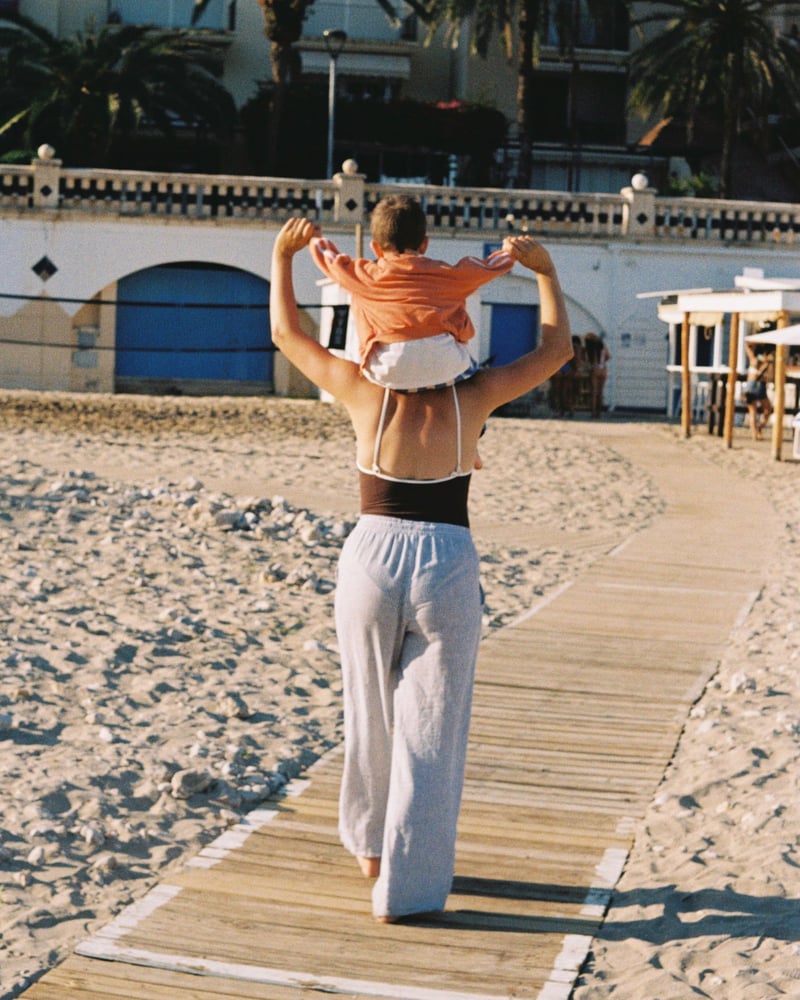
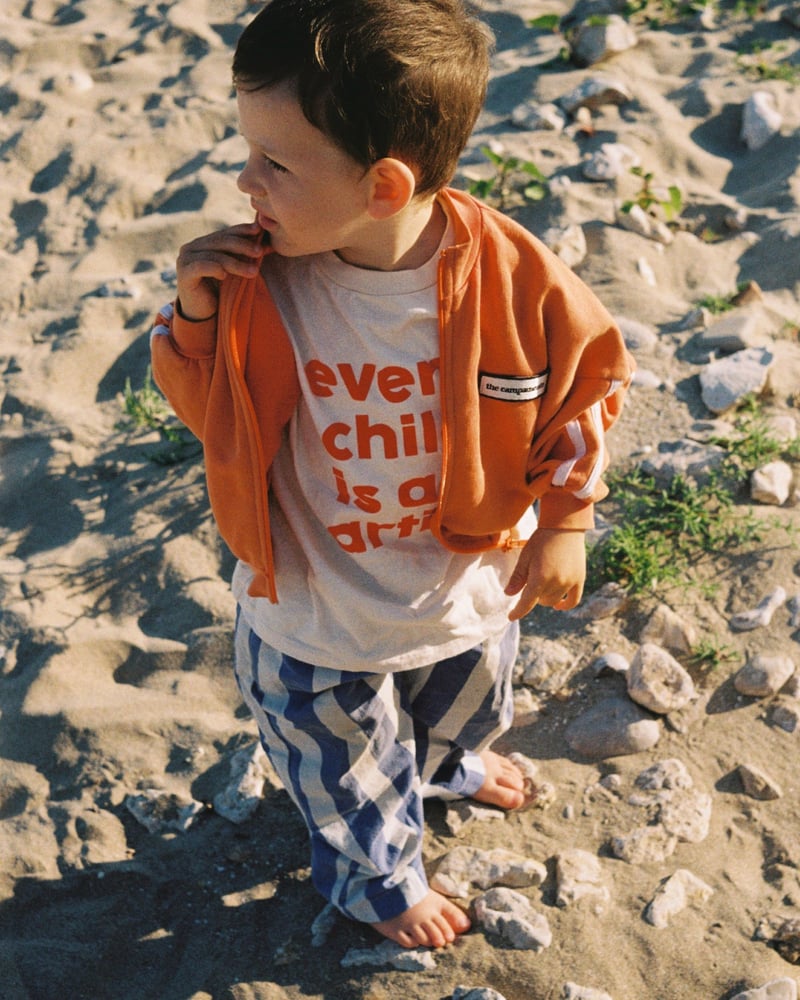
You move between photography, design and content creation. How do these different facets coexist within your creative process, and what guides you when deciding which ideas to explore at any given moment?
I’m a very intuitive person; I tend to follow whatever draws me in at a particular moment. I often write down ideas as they come to me, but the ones that usually take shape are the ones I pursue without overthinking them. I work across different mediums, which can sometimes feel overwhelming, but it’s also an incredible tool. Alongside client projects, I always try to leave room for exploration, and I often use content creation as a way to nurture this more experimental side of my practice.
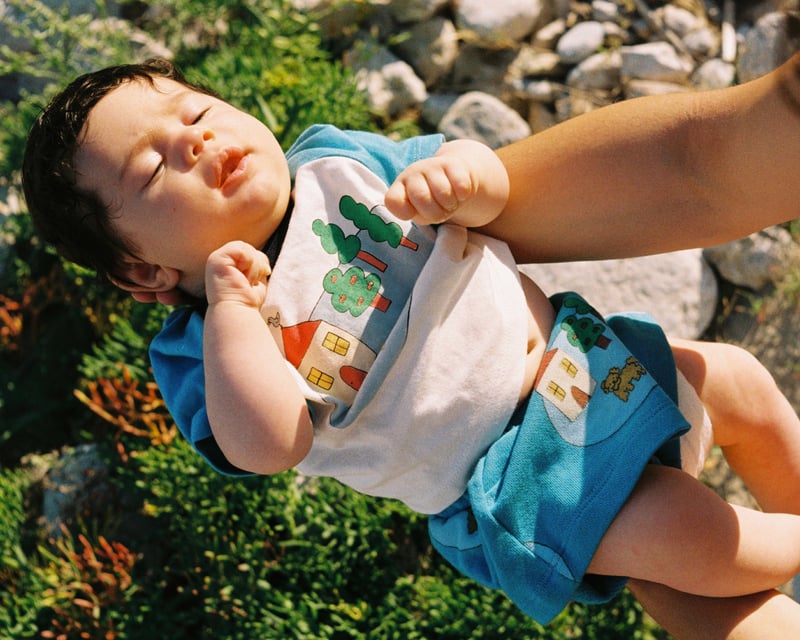
Living in the countryside and surrounded by nature, how do you think this environment influences your creative vision?
I think this is the factor that has shaped my creative journey the most over the past few years: moving from city life and working for a large studio to adopting a completely different rhythm and routine.
My new reality has forced me to slow down, something I’m deeply grateful for. Creating without rushing is a very different experience. My style has also changed; photography and video have become much more central to my work, which I imagine is connected to my desire to document this chapter of recent motherhood and my children’s early years.
This environment has also sparked an interest in learning other forms of making, such as sewing and knitting. After many years spent in front of a screen, I feel much more connected to working with my hands.

How has becoming a mother, and having Aslan in your life, transformed your artistic process? How does he fit into your work dynamic and daily rhythms?
I would say I’ve been drawn to more craft-based practices because they allow me to stay present in the moment, whether I’m knitting, painting or taking photographs, without neglecting my children. In fact, I can often include them in the process.
When it comes to content creation, I tend to approach it very organically. On the days when I decide to film moments from our routine, the tripod simply “dances” with us from one room to another, naturally and with very little interference in our daily life.
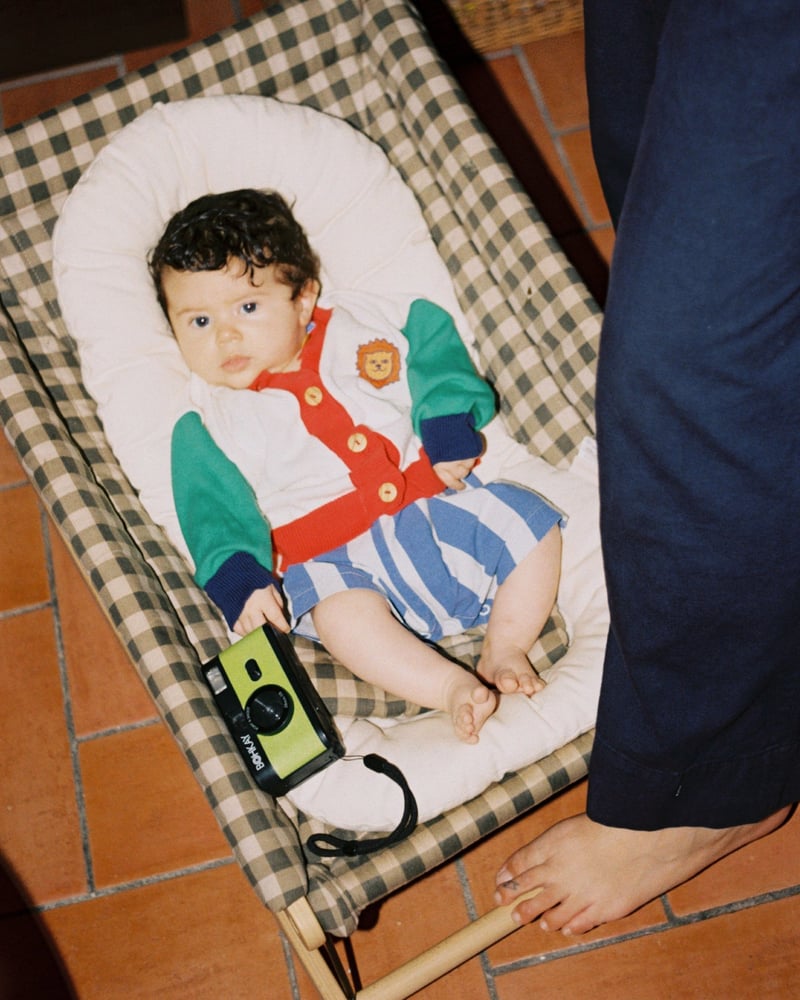
Over the past few months, I’ve started taking Aslan to a childminder for four hours each morning, which has given me a little more space to work on projects that are harder to combine with childcare. Before, I had to do that work at night, so this change has been a huge relief.
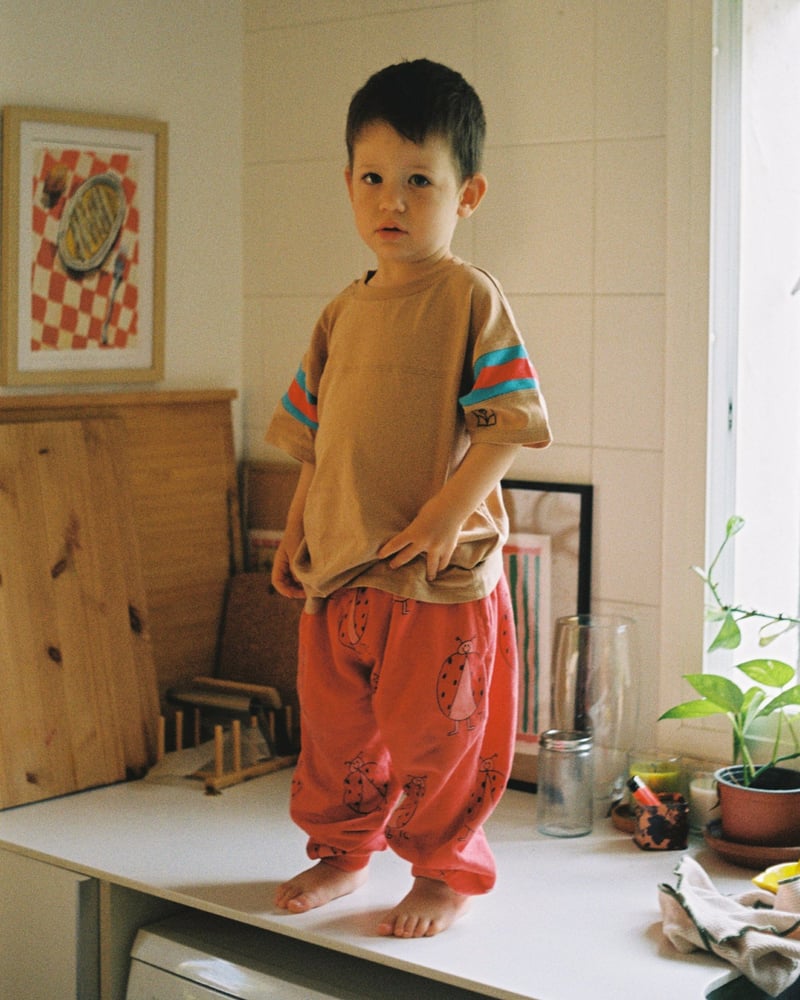
Now that you’ve had your second child, has your perspective on the future of your projects changed? Do you feel more selective when it comes to taking on new professional commitments?
I think this second experience of motherhood won’t shake things up as much as the first one did. I’ve reached a point where I’ve found a certain balance, and my intention is to maintain it.
That said, I’ve definitely become more careful about the projects I choose to work on and where I invest the little time I have available. I’d like to focus more on maternity, pregnancy and family photography. It allows me to connect with other people during a stage of life that can often feel quite lonely, while also fulfilling my creative needs without requiring an overwhelming amount of time.Getting down there is a bit tricky, you’ll need to hold onto a rope for the final descent, but we promise it’s absolutely worth it.

Hairchive has become one of your most important projects. How did the idea come about, and what led you and Maia to start it?
Hairchive was born when Maia and I were still working for a studio. We were looking for a space where we could create our own project with complete freedom and without pressure. We started by building a virtual photography archive and, a year later, we published the first printed issue of the magazine.
It’s a project that allows us to explore and connect with creatives from different fields, and one that we genuinely enjoy working on because of the strong creative and personal connection we share.
Hair is the central focus of the magazine. What fascinates you most about it, and how do you think it can tell stories?
Hair is, in many ways, simply an excuse that allows us to talk about many different subjects. It acts as a point of connection from which paths emerge that we never imagined exploring in the beginning, and it never stops surprising us.
In the end, it’s something that exists across an incredible variety of contexts. It may seem like a very specific subject, but it has endless depth.
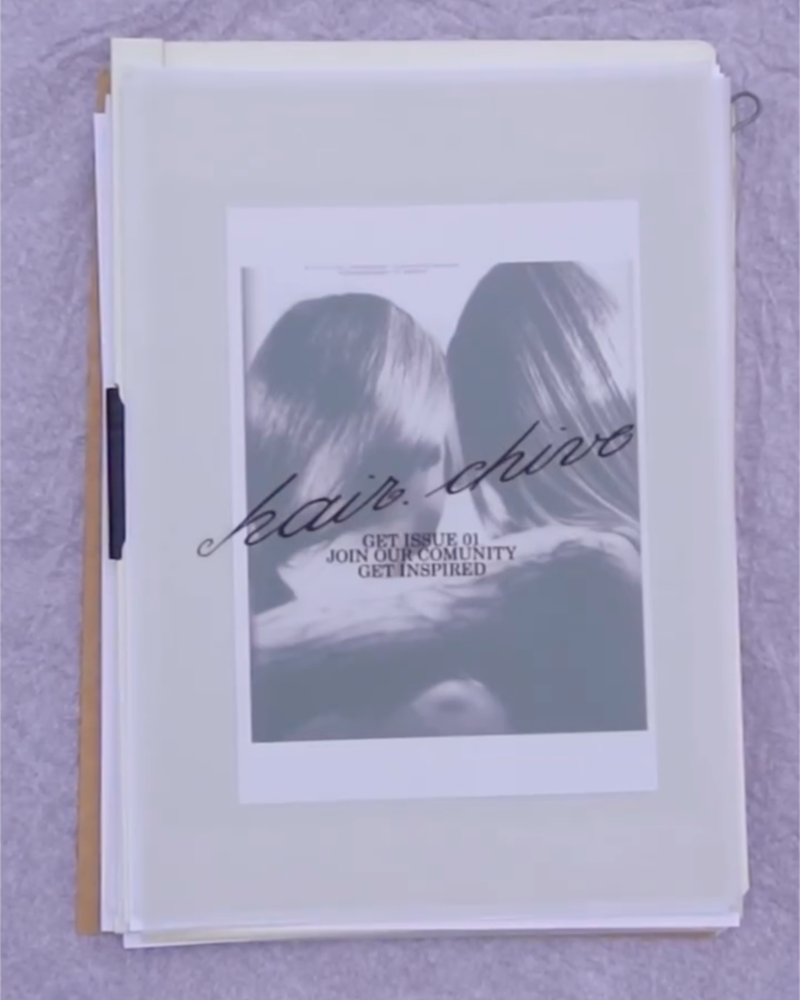
Beyond the publication itself, Hairchive also creates opportunities for encounters and connections with other creatives. How do these moments influence the way you think about the project?
I think this is one of the project’s greatest motivations. Each of us works independently, but Hairchive allows us to continue creating alongside other creatives from different disciplines, whether photography, film, sculpture or fashion.
This aspect enriches us enormously and gives even greater meaning to the project. In a way, we want to break away from the snobbery that often exists within the design world, and creating genuine, natural connections has always been one of our priorities.
Looking ahead, what new directions or possibilities for Hairchive excite you the most?
I would say the project is currently in a dormant phase. Maia has moved to New York, and I’ve just had my second child. Even so, we have plenty of ideas that we’re looking forward to developing once we’re able to return to a more regular rhythm.
One of the things that interests us most is creating more digital content that allows us to reach a wider audience and, from there, perhaps even explore the creation of a small collection of objects related to the project.
At the moment, everything is still up in the air, but it’s also an exciting time because of all the possibilities and new doors that may open.
